Flood protection for critical facilities, worldwide
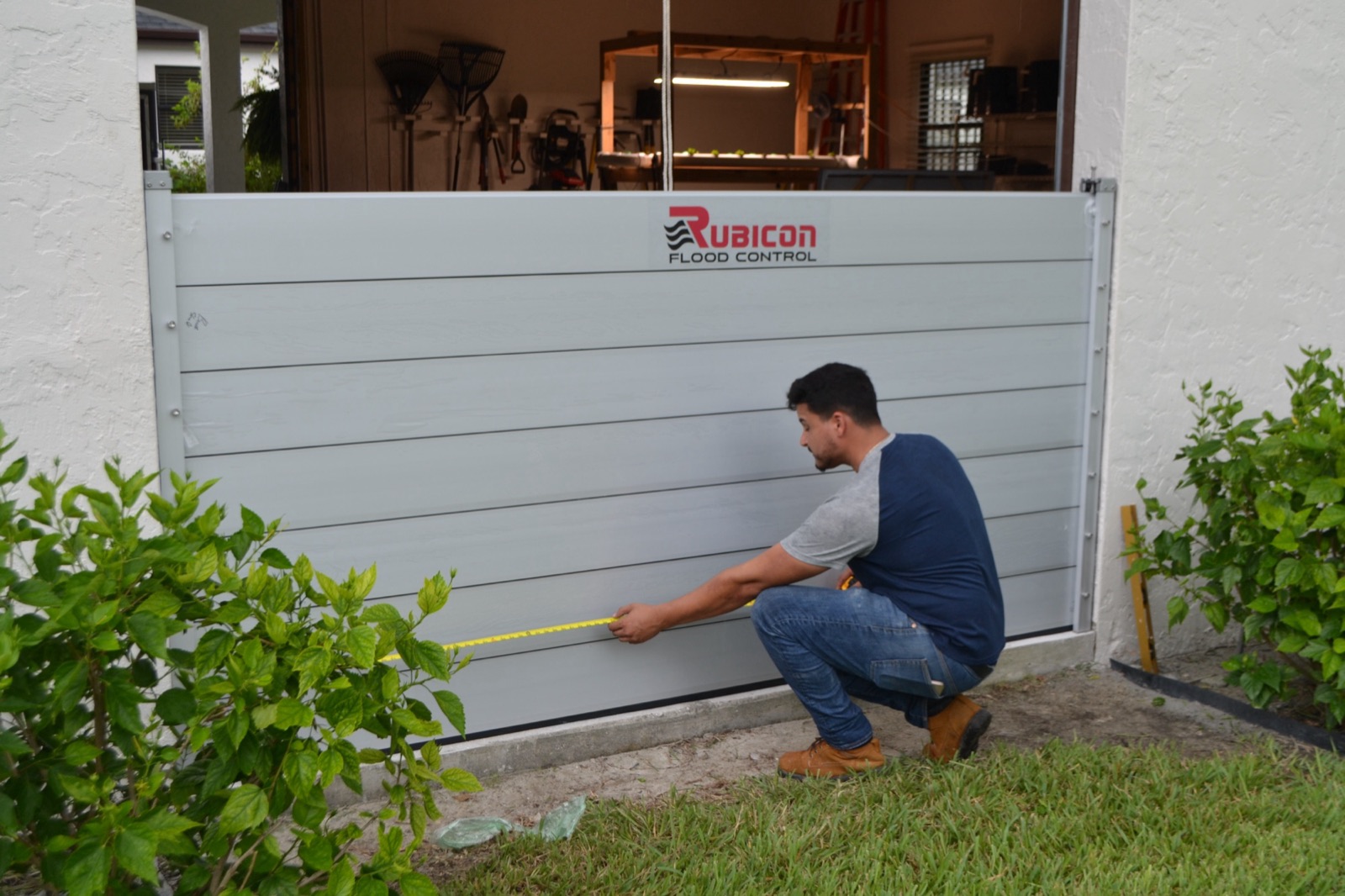
We assess flood risk, design and install flood barrier systems, and write flood emergency plans for data centres, industrial sites and commercial buildings. We also prepare the flood evidence insurers and brokers ask for. Barrier systems are built with our partner Rubicon Flood Control.
Who we protect
Sites where a few hours under water means lost uptime, lost stock or lost cover.
Services
One team from the first flood risk question to barriers in the wall and a plan your staff have drilled.
Flood risk assessment
Flood history, local flood levels, rainfall and sea level projections, and the rules that apply, turned into a design flood level and a list of what is exposed. Before you buy land, and for sites already running.
About assessments →Flood barrier systems
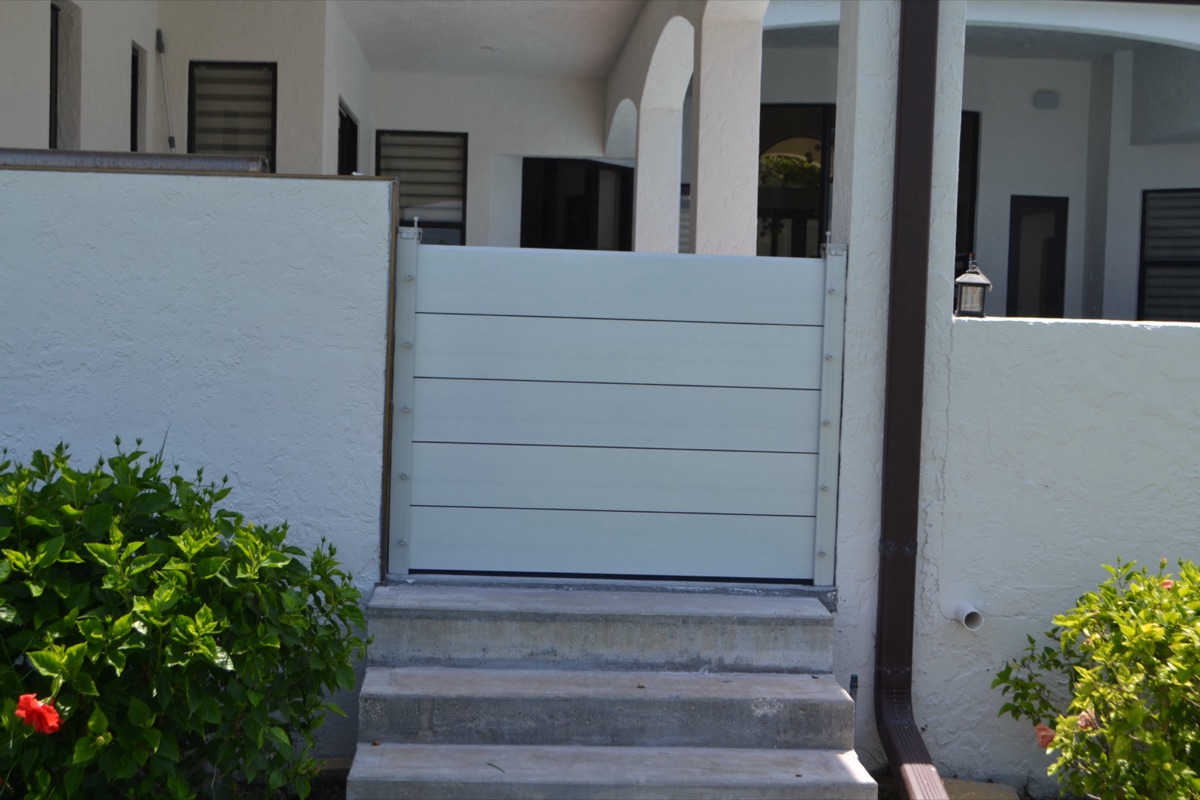
Removable and fixed barriers for doors, loading docks, ramps and basement entrances, measured for each opening, supplied and installed with Rubicon Flood Control.
About barrier systems →Flood emergency plans
Who watches which warnings, who deploys barriers and how fast, how fuel and staff reach the site when roads flood, and how you recover. Written for your site, then drilled.
About flood plans →Insurer and broker reports
The evidence underwriters ask for: site elevation against design flood levels, the protection in place, barrier testing and the emergency plan, in one report.
About insurer reports →Barrier systems, measured for each opening
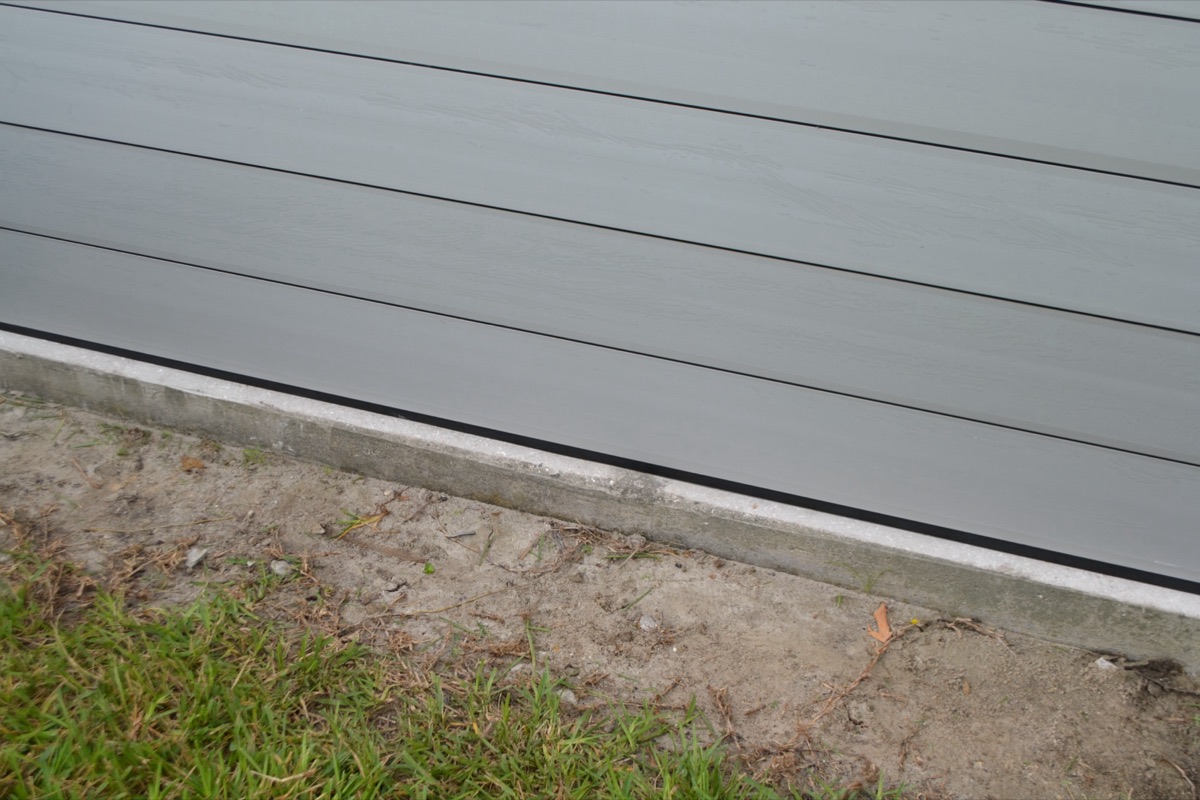
Our barrier systems are built with Rubicon Flood Control: removable aluminium planks that stack between fixed side posts, with compressed seals at the floor and between planks. Every opening is measured on site, so the system fits its real width, threshold and wall.
We match the barrier type and height to the flood hazard and to the warning time your site actually gets, and we time deployment with your team. A barrier protects an opening. It does not stop seepage through a slab or water backing up through drains, so we assess those as well.
How a project runs
Assess
We review the site, its flood history and the rules that apply, and set a design flood level.
Design
We decide what is raised, sealed or protected by barriers, opening by opening.
Install
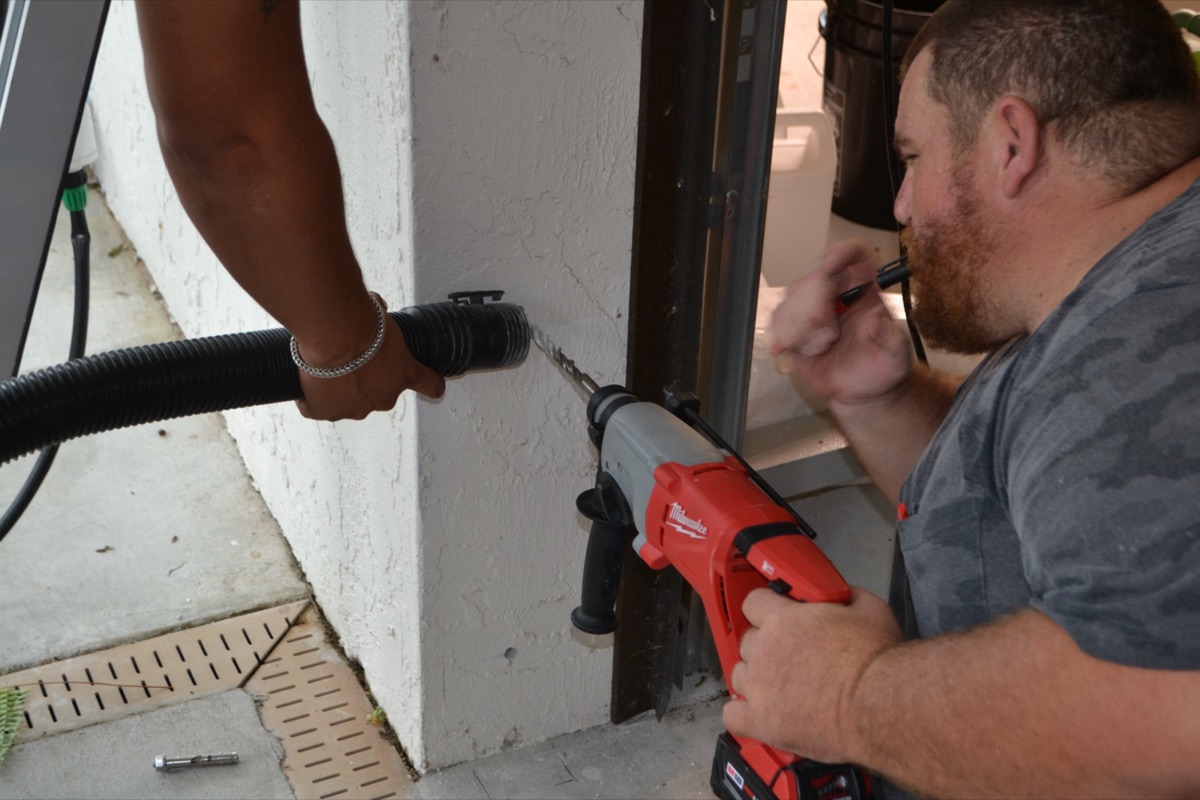
Barrier systems are measured, built and installed, then deployed with your team.
Plan and maintain
We write the flood plan, run the drill and keep inspection records current.
Where we work
International work, with two focus regions today.
Asia-Pacific
Malaysia, Singapore and Johor's data centre corridor, where PUB's drainage code, the northeast monsoon and flash floods set the rules.
SingaporeMalaysiaJohor data centresUnited States
Southwest Florida, where Rubicon Flood Control installs barriers from Cape Coral, plus coastal New York and California.
US flood guidesFort MyersNaplesGuides
Frequently asked questions
- What does FloodProtection.now do?
- We provide flood protection services for critical facilities, led by data centres. That covers site flood risk assessments, flood barrier systems designed, supplied and installed with our partner Rubicon Flood Control, flood emergency response plans, and flood risk reports for insurers and brokers.
- Where do you work?
- Internationally. Our current focus regions are Asia-Pacific, especially Malaysia, Singapore and Johor's data centre corridor, and the United States, including Southwest Florida. Projects elsewhere are scoped case by case.
- What flood level should a data centre be protected to?
- Higher than the planning minimum. FM Global's flood guidance is widely cited as working to the 500-year flood (a 0.2% chance each year) plus freeboard, and the 2024 edition of ASCE 24 raises essential facilities to the 1,000-year flood. Local rules set the floor, such as PUB's minimum platform level in Singapore.
- Do flood barriers lower insurance premiums?
- Not automatically. We have found no published premium credit for flood barriers in Malaysia or Singapore. Underwriters do weigh elevation, tested barriers and a flood emergency plan when they decide whether to offer flood cover and on what terms, which is why we document all three.